
History of Pawtucket
From Algonquian river falls to the birthplace of the American Industrial Revolution — sourced from NPS, historic references, and census records.
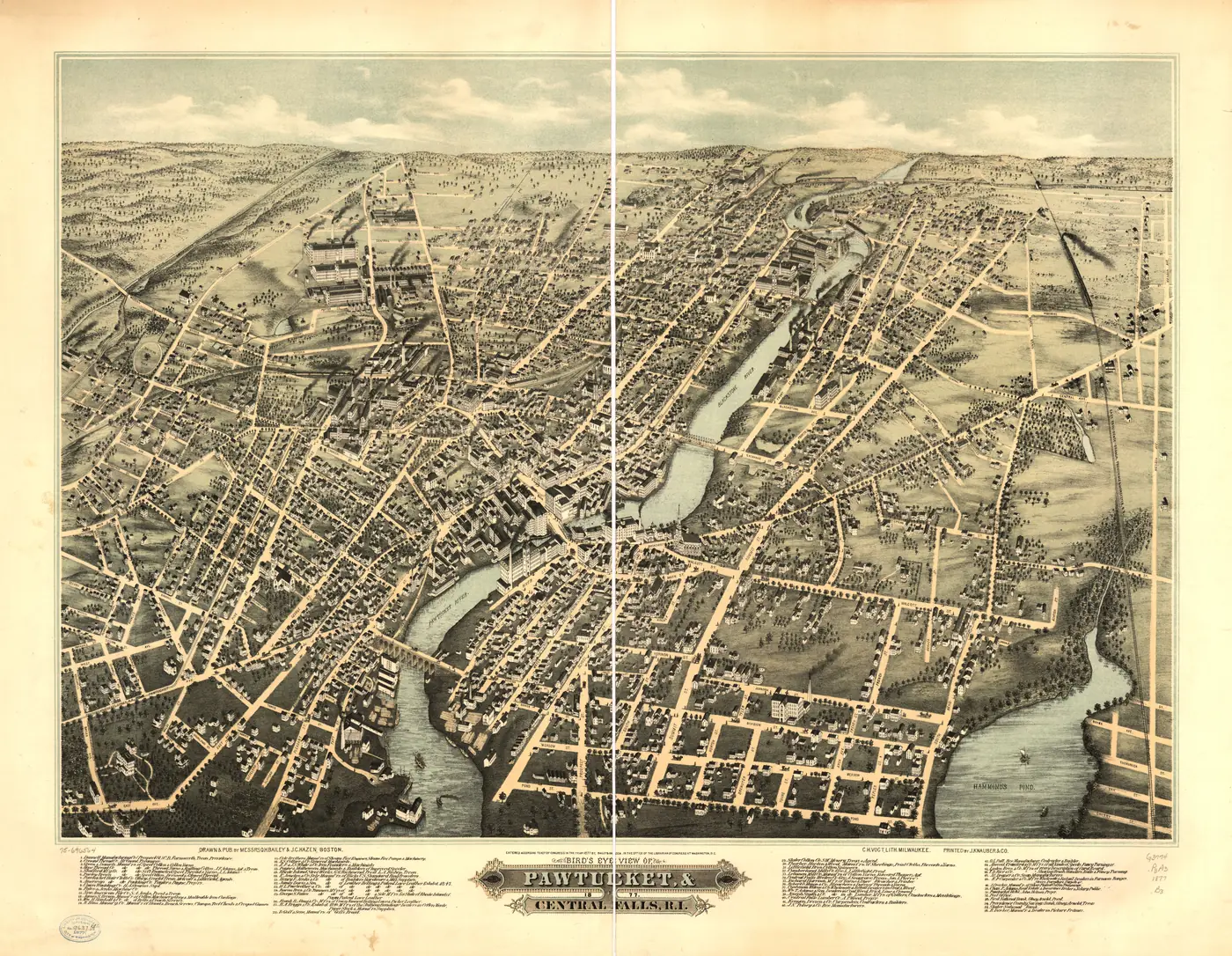

The name Pawtucket comes from an Algonquian word for “river fall.” European settlement near the falls is dated to Joseph Jenckes Jr. in 1671; the modern city was incorporated in 1886.
Slater Mill and the Industrial Revolution
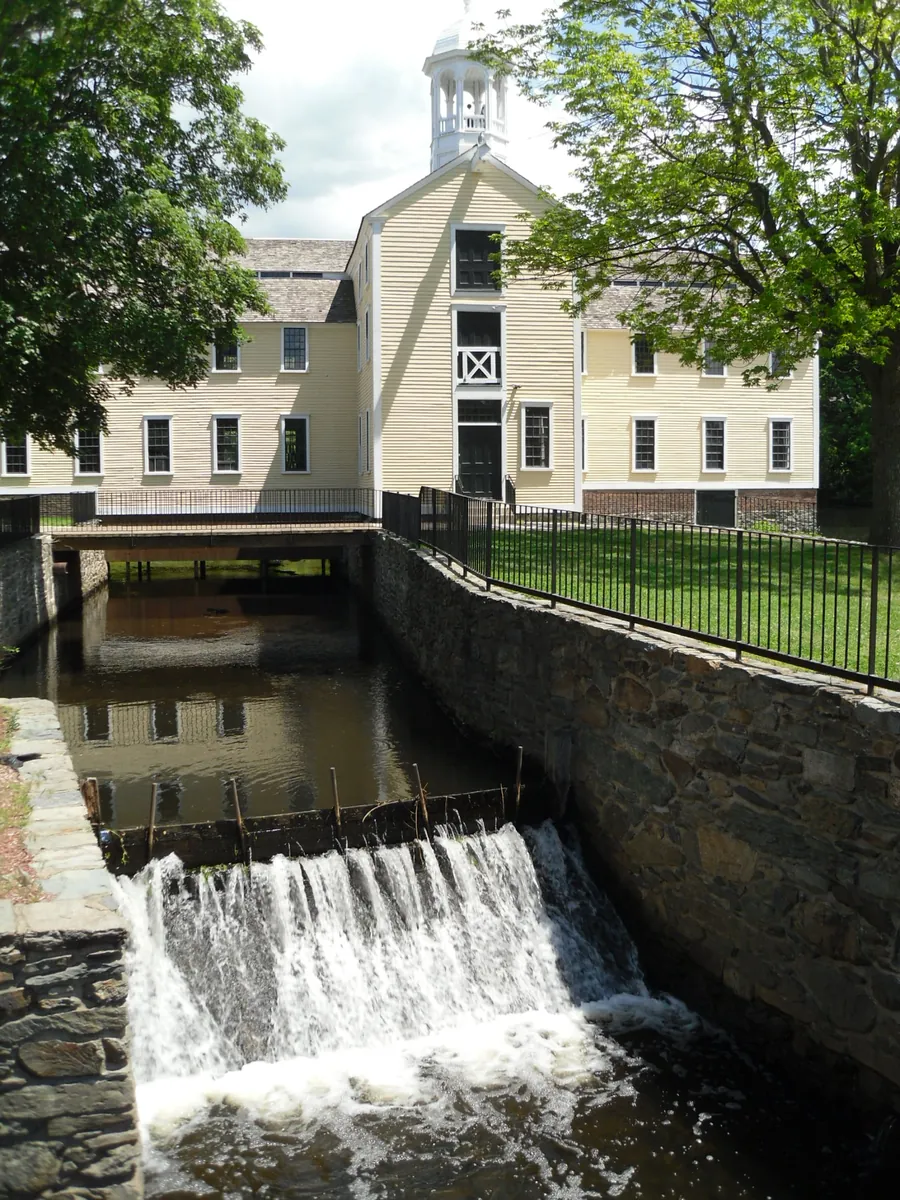

In December 1789, merchant Moses Brown hired English immigrant Samuel Slater. By December 1790, water-powered machines were producing cotton thread in Pawtucket — the first successful such operation in the United States. In 1793, Almy, Brown and Slater built the mill now known as Old Slater Mill, widely called the birthplace of the American Industrial Revolution.
Slater Mill was the first property added to the National Register of Historic Places (November 1966). In March 2021, the Old Slater Mill Association donated the site to the National Park Service as part of Blackstone River Valley National Historical Park.
Labor and mills
Pawtucket saw the first factory strike in the U.S. in May 1824, when women power-loom weavers walked out over wage and hour changes. Textile manufacturing shaped the city into the 20th century; Hasbro later headquartered here among other employers.
Population (U.S. Census Bureau): 75,604 (2020 Census); about 76,996 as of the July 1, 2024 estimate (~77,000).